Which pest control service fits your problem
If you are not sure where to start, match what you see to the service in the table. The provider will confirm the diagnosis at the inspection, so a rough match is enough to begin.
| Service | Start here if you notice |
|---|---|
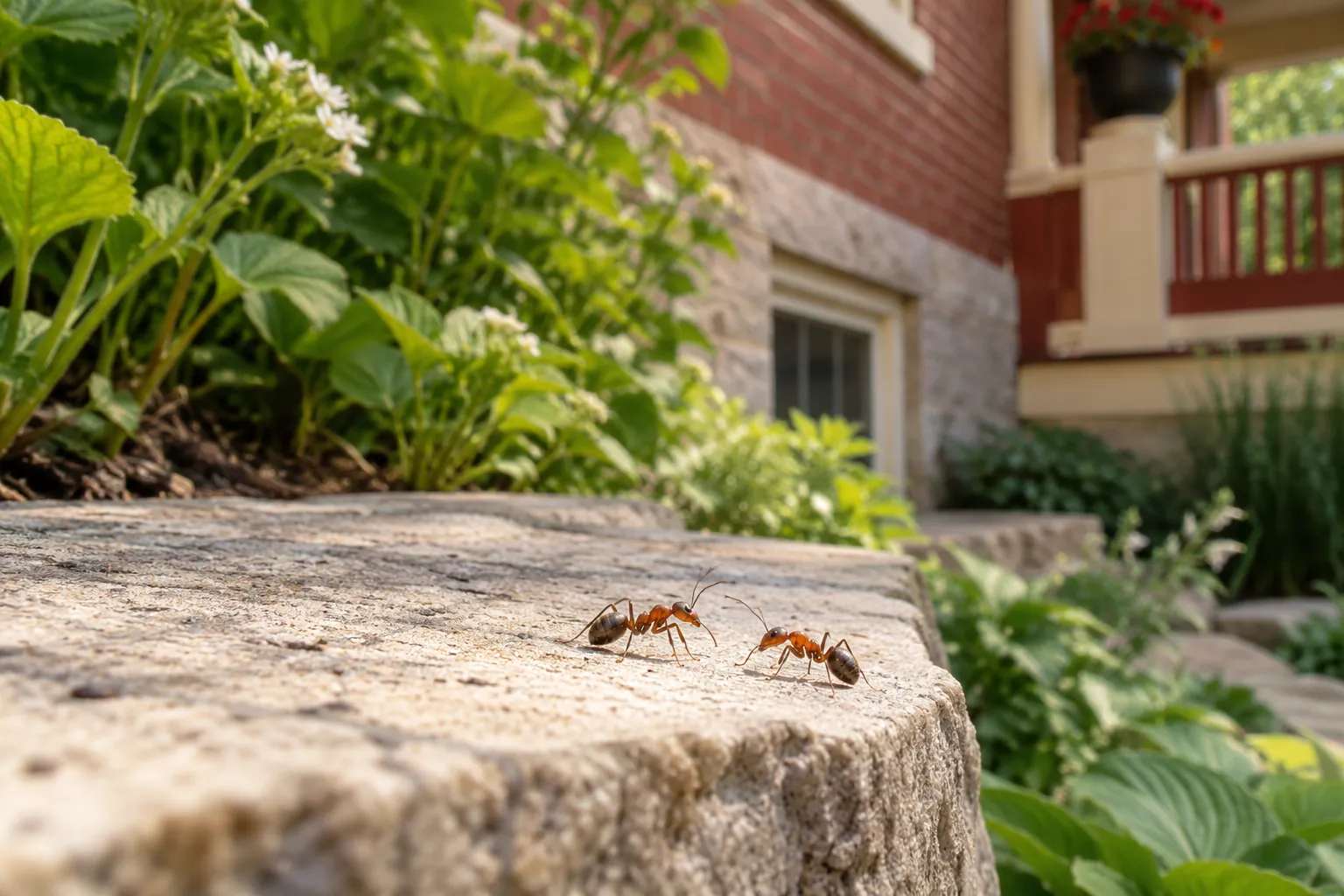
| Ant control | ant trails in the kitchen or sawdust under windows |
| Cockroach control | roaches in the kitchen or bathroom |
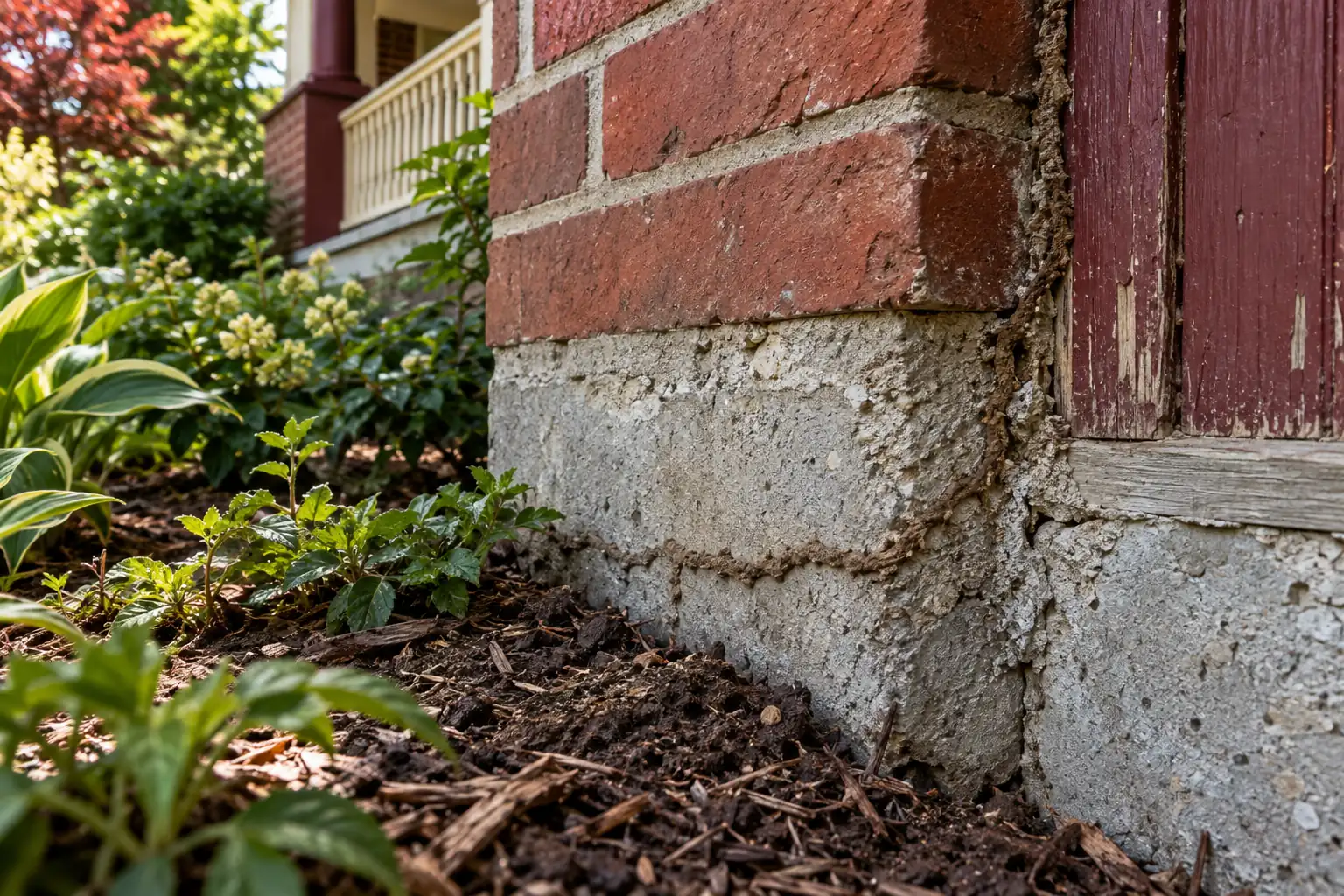
| Termite control | mud tubes, swarmers or hollow-sounding wood |
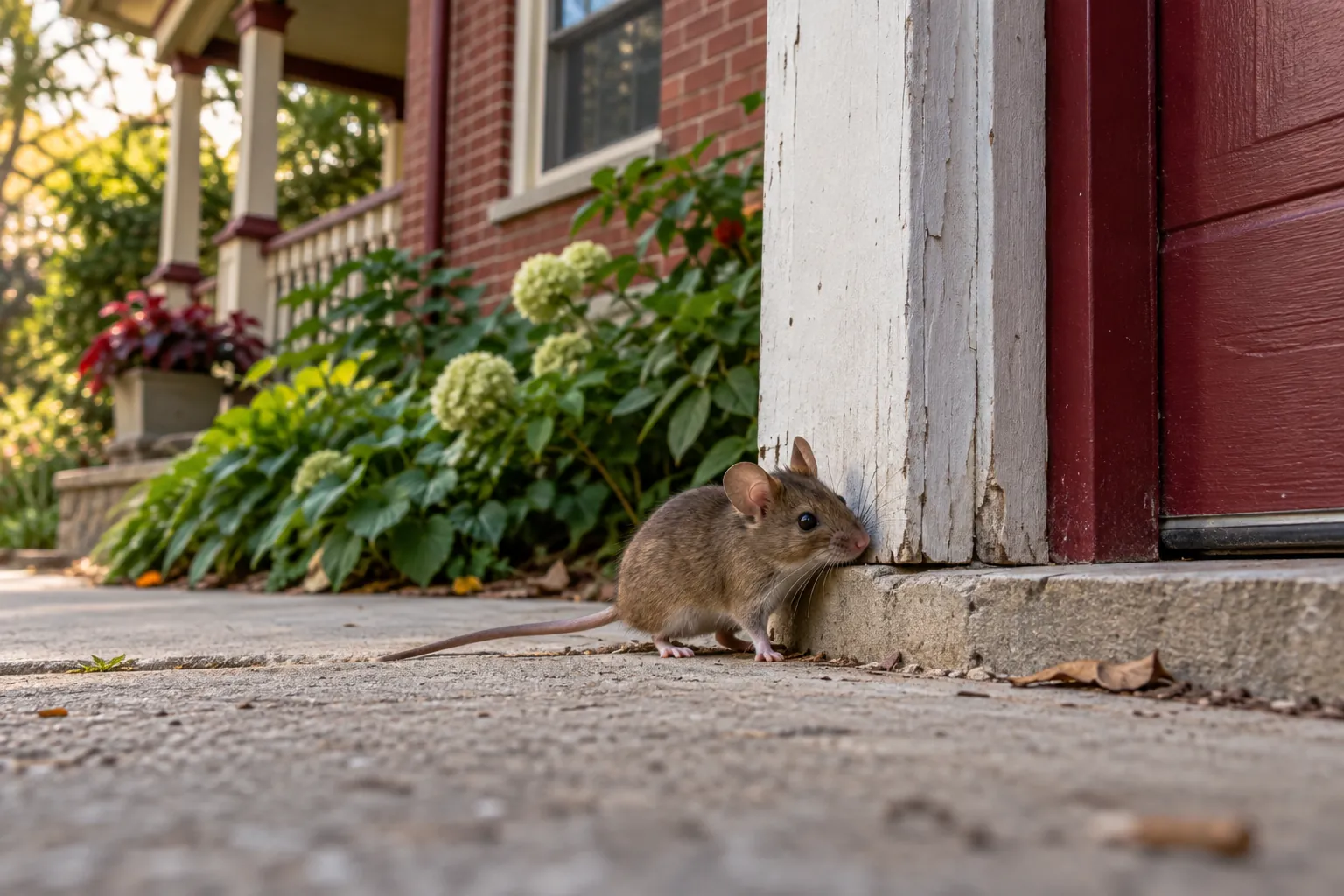
| Rodent control | noises in the attic, droppings or gnawing |
| Spider control | webs, black widows or spiders in the garage |
How a pest control visit works, step by step
Pest visits that are done properly run in a fixed order, no matter which insect or animal is involved. Keep that order in mind when you talk to different companies, because a visit that leaves out the opening steps is the one to question.
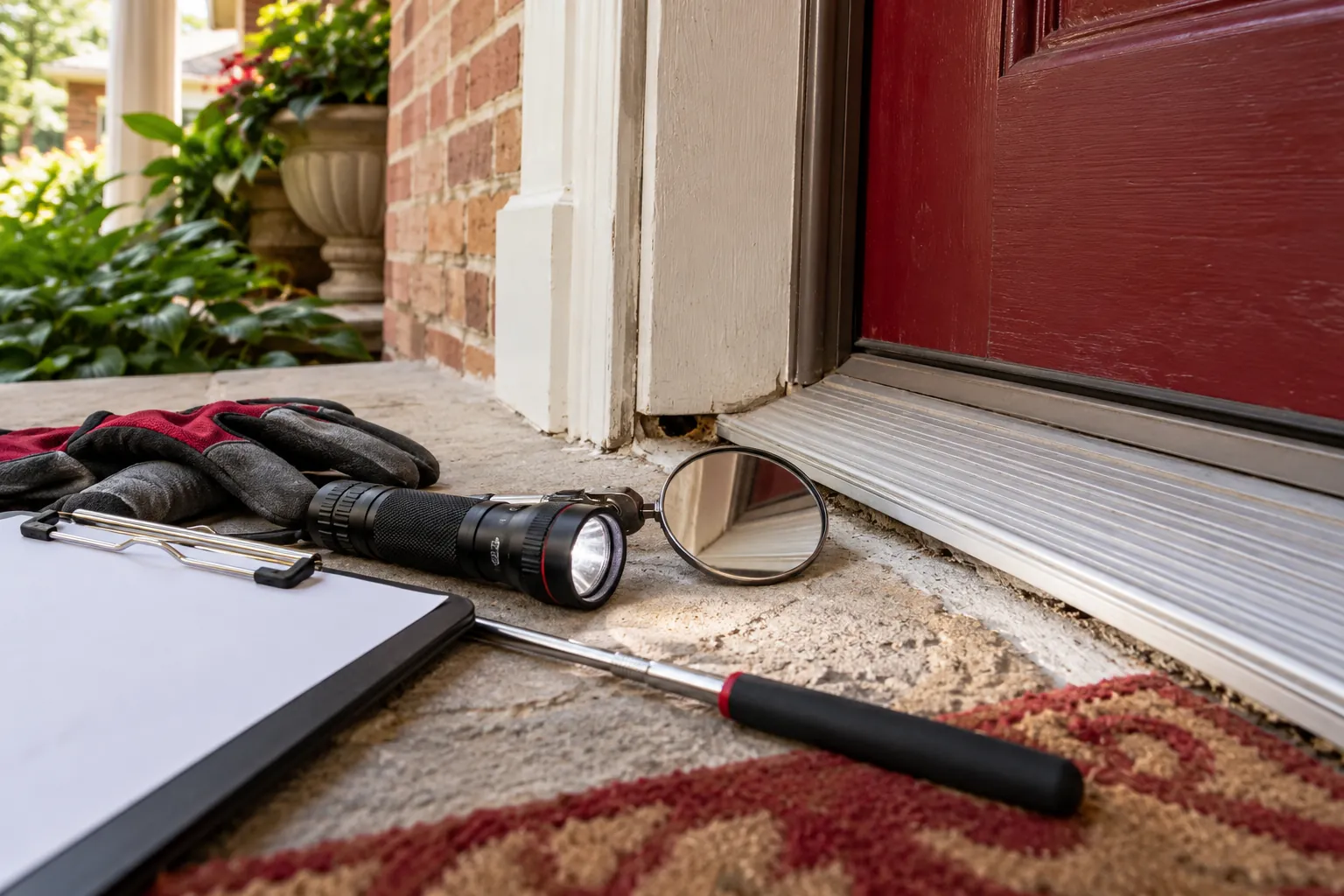
- Inspection: the technician walks the outside first (foundation, vents, utility lines, eaves, fence lines, mulch) and then the inside (kitchen, bathrooms, garage, attic or crawl space).
- Identification: the species is named from the insect, droppings, damage or trail, because the right product and method depend on it.
- Plan: the provider explains what will be done, which products or devices will be used, and what you need to do before and after.
- Treatment or exclusion: the work is done in the places the inspection found, not by spraying every room.
- Follow-up: you get a date for the next check and a clear answer on what to report if activity returns.
What changes the scope of the work
Even between houses a few doors apart, pest control is not a one-size plan. Look for a written scope that lists the conditions found at your property and explains what each condition meant for the amount of work proposed.
Have the company split its proposal into work done once and visits that repeat, and have it note every area it was unable to reach. If the scope specifically mentions the attic, crawl space, garage or fence line that concerned you, you can judge it far more easily than a single bundled offer.
- How far the problem has spread and how long it has been active
- Size and age of the home, and whether it sits on a slab, a crawl space or a basement
- Number of entry points, gaps around pipes and cracks in the foundation or siding
- Access to attics, wall voids, sheds, outbuildings and the yard
- Whether you want a single treatment or an ongoing plan with scheduled visits

Questions to ask before you agree to any pest control
- What species or problem did you find, and what did you see that proves it?
- Which products, baits or devices will you use, and where will they go?
- What will you write down for me: scope, exclusions, follow-up and product list?
- What will you seal, remove or fix, and what stays my job?
- Who is on site, and can you show the state licence or applicator ID for the work?
Pest control methods compared
| Method | Best for | What to know |
|---|---|---|
| Dust in wall voids | Roaches, ants, carpenter ants and wasps in voids | Reaches cracks and voids a spray cannot, and lasts a long time when kept dry. |
| Insect growth regulator (IGR) | Roaches, fleas, bed bugs | Stops juveniles from becoming breeding adults. Works alongside a bait or spray. |
| Gel and granular bait | German cockroaches, ants, fire ants | Insects carry bait back to the nest. Do not spray repellents near it. |
| Exclusion and sealing | Rodents, ants, spiders, scorpions | Closes gaps with copper mesh, steel wool, sealant and door sweeps so pests cannot return. |
| Residual perimeter spray | Ants, spiders, roaches and crickets coming in from outside | Applied around the foundation, door frames, window frames, eaves and utility entries. It needs reapplying on schedule. |
Safety for children, pets and food
Pest products are regulated. In the United States each product carries an EPA-registered label, and the label is the legal instruction for where and how it can be used. Ask the provider for the product name and the label, and keep the paperwork you are given.
Tamper-resistant bait stations keep bait away from children and pets. Gel baits go into cracks and voids, not onto open counters. Re-entry times differ by product, so ask when kitchens, play areas and pet bowls can be used again, and move toys, bowls and food before the visit.
What makes pest control different in Lincoln
Lincoln is the capital of Nebraska and home to the University of Nebraska, with older neighborhoods, rentals and many mature trees. Cold winters send mice and overwintering insects indoors from fall.
Warm, humid summers support mosquitoes, ants and wasps, and wet spells raise mosquito numbers. Student and rental housing turns over often, which raises the risk of bed bugs and cockroaches spreading. Put the same question to every provider you speak with: how do these local conditions alter the approach at your address? A technique that suits one climate or style of housing may do little in another.
Pest control across Lincoln and nearby cities
Pest Control Lincoln NE covers Lincoln, Nebraska and the surrounding area. Calls and requests also reach providers serving Waverly, Hickman, Bennet, Roca and Raymond. Coverage is confirmed address by address, so say your ZIP code when you call.
To get going, press Call Now at the top of any page and tell the person who answers what you found. That puts you through to an independent provider nearby, and the provider verifies your address, looks the property over and writes up the scope.